
Night reading
Separation anxiety in dogs — signs, and what soothes it
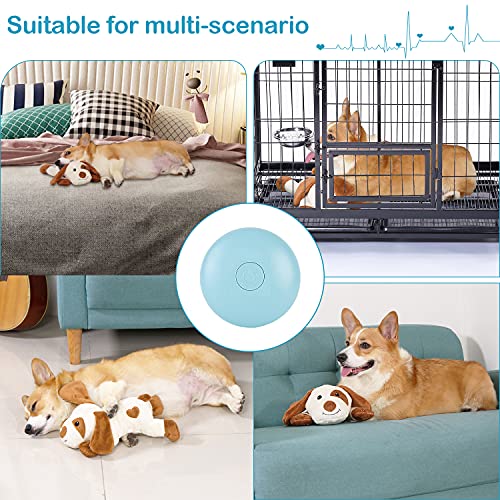
Every dog is sad for ten seconds when you grab the keys. Separation anxiety is different — it’s panic, not pouting, and it deserves an honest look before any product claims to fix it. Here’s the sober version of what a heartbeat buddy can and can’t do.
The signs that matter
Barking or howling that starts as you leave and doesn’t stop; scratched doors and chewed sills concentrated at exits; accidents from an otherwise house-trained dog; drooling and pacing during your wind-up-to-leave routine. One of these occasionally is a mood — a pattern of them is anxiety.
Where a heartbeat helps
A pulsing, warm, littermate-sized buddy works on the loneliness layer: puppies fresh from the litter, rescues in new homes, dogs whose anxiety is mostly about being the only heartbeat in the house. It gives the settling instinct somewhere to land. That’s real — it’s why the trick has been used by breeders for generations — and it’s also not magic.
Where it needs backup
True panic — self-injury, hours of howling, destroyed doors — is a job for a certified trainer or a veterinary behaviorist, sometimes with desensitization plans or medication. A heartbeat buddy slots into those plans nicely as the comfort piece, but it shouldn’t be asked to carry the whole case alone.
Stacking the calm
What helps alongside the pulse: leaving without ceremony, tiring walks before departures, a frozen lick mat or stuffed chew as a parting gift, departures rehearsed in boring thirty-second doses. Calm is a stack of small layers — the heartbeat is a good bottom layer because it’s the one that runs all night without your help.
The night shift is a click away.
